Unlocking School Readiness: Play and Executive Functions
- Meredith Prater

- Jul 12
- 4 min read
In today's fast-paced world, ensuring that children are ready for school is more important than ever. School readiness goes beyond just knowing the alphabet or being able to count to ten. It encompasses a range of skills, including social, emotional, and cognitive abilities. One of the most critical components of school readiness is the development of executive functions, which are essential for learning and adapting in a school environment. This blog post will explore how play can enhance executive functions and ultimately unlock school readiness for children.
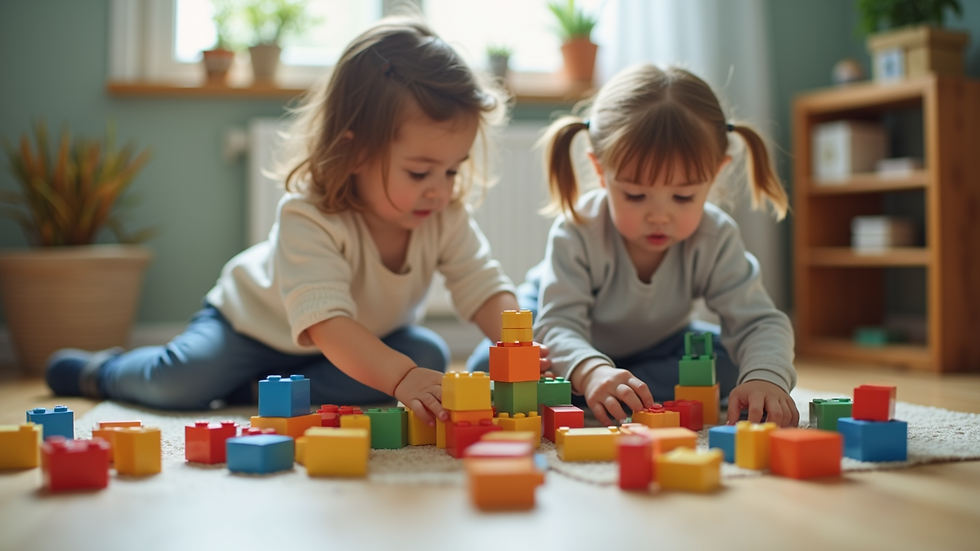
Understanding Executive Functions
Executive functions are a set of cognitive processes that help individuals manage their thoughts, actions, and emotions. These skills are crucial for goal-directed behavior and include:
Working Memory: The ability to hold and manipulate information in the mind.
Cognitive Flexibility: The capacity to switch between tasks or adapt to new situations.
Inhibitory Control: The ability to suppress impulsive responses and focus on relevant information.
These skills are foundational for academic success and social interactions. Research shows that children with strong executive function skills tend to perform better in school and have better social relationships.
The Role of Play in Developing Executive Functions
Play is not just a fun activity for children; it is a vital component of their development. Engaging in play allows children to practice and enhance their executive functions in various ways:
1. Working Memory through Games
Games that require children to remember rules or sequences can significantly boost their working memory. For example, playing memory card games or board games that involve strategy helps children practice recalling information while making decisions.
2. Cognitive Flexibility in Role-Playing
Role-playing games encourage children to take on different perspectives and adapt to new roles. This type of play fosters cognitive flexibility as children learn to navigate various scenarios, whether they are pretending to be a doctor, a teacher, or a superhero.
3. Inhibitory Control with Structured Play
Structured play activities, such as Simon Says or Red Light, Green Light, require children to control their impulses and follow directions. These games help strengthen inhibitory control, teaching children when to act and when to hold back.
Types of Play That Enhance Executive Functions
Not all play is created equal when it comes to developing executive functions. Here are some types of play that are particularly effective:
1. Free Play
Free play allows children to explore their interests and make choices. This type of play encourages creativity and problem-solving, both of which are essential for developing executive functions. For instance, when children build a fort out of cushions, they must plan, experiment, and adapt their strategies.
2. Cooperative Play
Cooperative play involves working with others towards a common goal. Activities like team sports or group projects require children to communicate, negotiate, and collaborate, all of which enhance their executive function skills.
3. Structured Play
Structured play includes games with specific rules and objectives. These activities provide a framework for children to practice their executive functions in a controlled environment. Examples include board games, puzzles, and organized sports.
Practical Tips for Parents and Educators
To support the development of executive functions through play, parents and educators can implement the following strategies:
1. Encourage Unstructured Playtime
Allow children to have unstructured playtime where they can explore their interests without adult intervention. This freedom fosters creativity and problem-solving skills.
2. Incorporate Games into Learning
Use games that promote executive function skills in educational settings. For example, incorporate memory games, strategy board games, or role-playing activities into the curriculum.
3. Model Executive Function Skills
Demonstrate executive function skills in everyday situations. For instance, when planning a family outing, verbalize your thought process, such as weighing options and making decisions. This modeling helps children understand how to apply these skills in real-life scenarios.
4. Create Opportunities for Cooperative Play
Facilitate opportunities for children to engage in cooperative play. Organize group activities that require teamwork, such as building a project together or participating in team sports.
The Impact of Play on School Readiness
Research indicates that children who engage in play that enhances executive functions are better prepared for school. They exhibit improved attention, better emotional regulation, and stronger social skills. These attributes contribute to a smoother transition into the school environment, where children are expected to follow rules, work in groups, and manage their time effectively.
Case Study: The Power of Play
A study conducted by the University of Pennsylvania found that children who participated in play-based learning programs showed significant improvements in executive function skills compared to those in traditional learning environments. The play-based group demonstrated better working memory, cognitive flexibility, and inhibitory control, leading to enhanced academic performance in subsequent years.
Conclusion
Unlocking school readiness is a multifaceted process that requires attention to various developmental skills. Play serves as a powerful tool in enhancing executive functions, which are crucial for success in school and beyond. By prioritizing play in children's lives, parents and educators can foster the skills necessary for children to thrive in a school environment.
As we move forward, let’s advocate for play-based learning and create environments that support children's natural curiosity and creativity. By doing so, we can ensure that every child is equipped with the skills they need to succeed in school and life.


Comments